
Icons in Transformation
An exhibit by internationally acclaimed artist Ludmila Pawlowska
St. Margaret’s Episcopal Church | 20900 Chenal Pkwy. | Little Rock, AR 72223
“Art is the highest form of hope.”
- Gerhard Richter
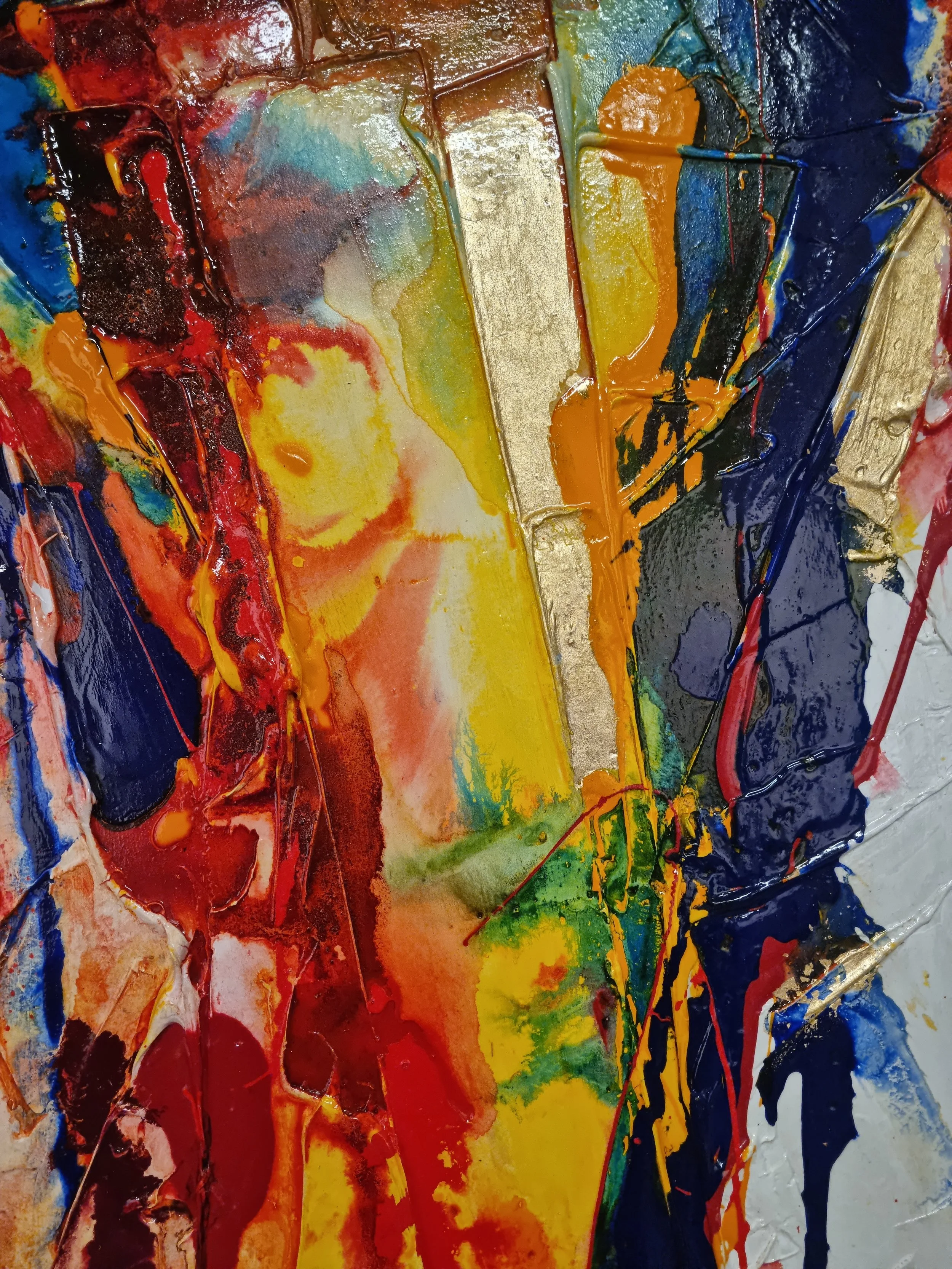
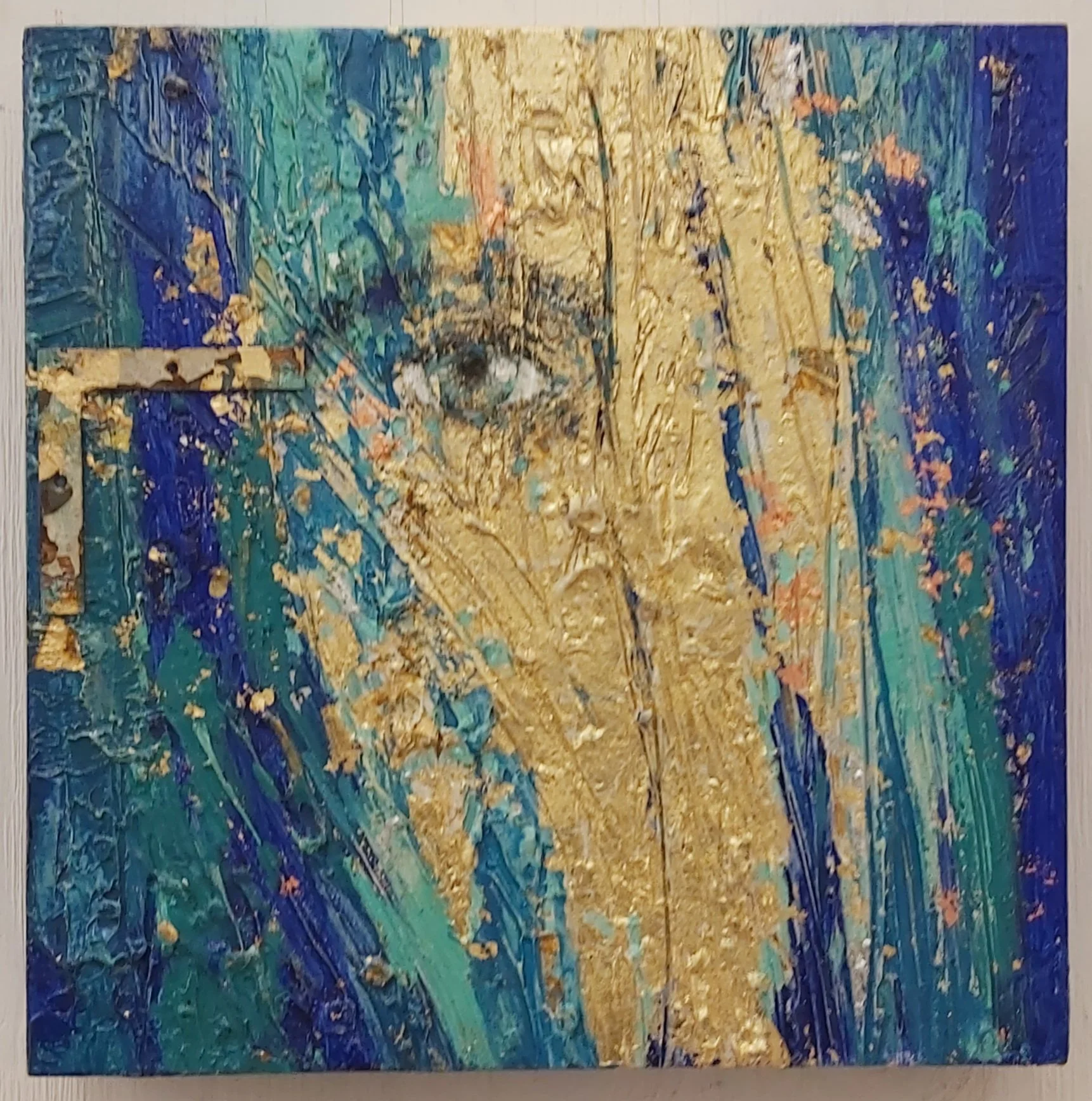
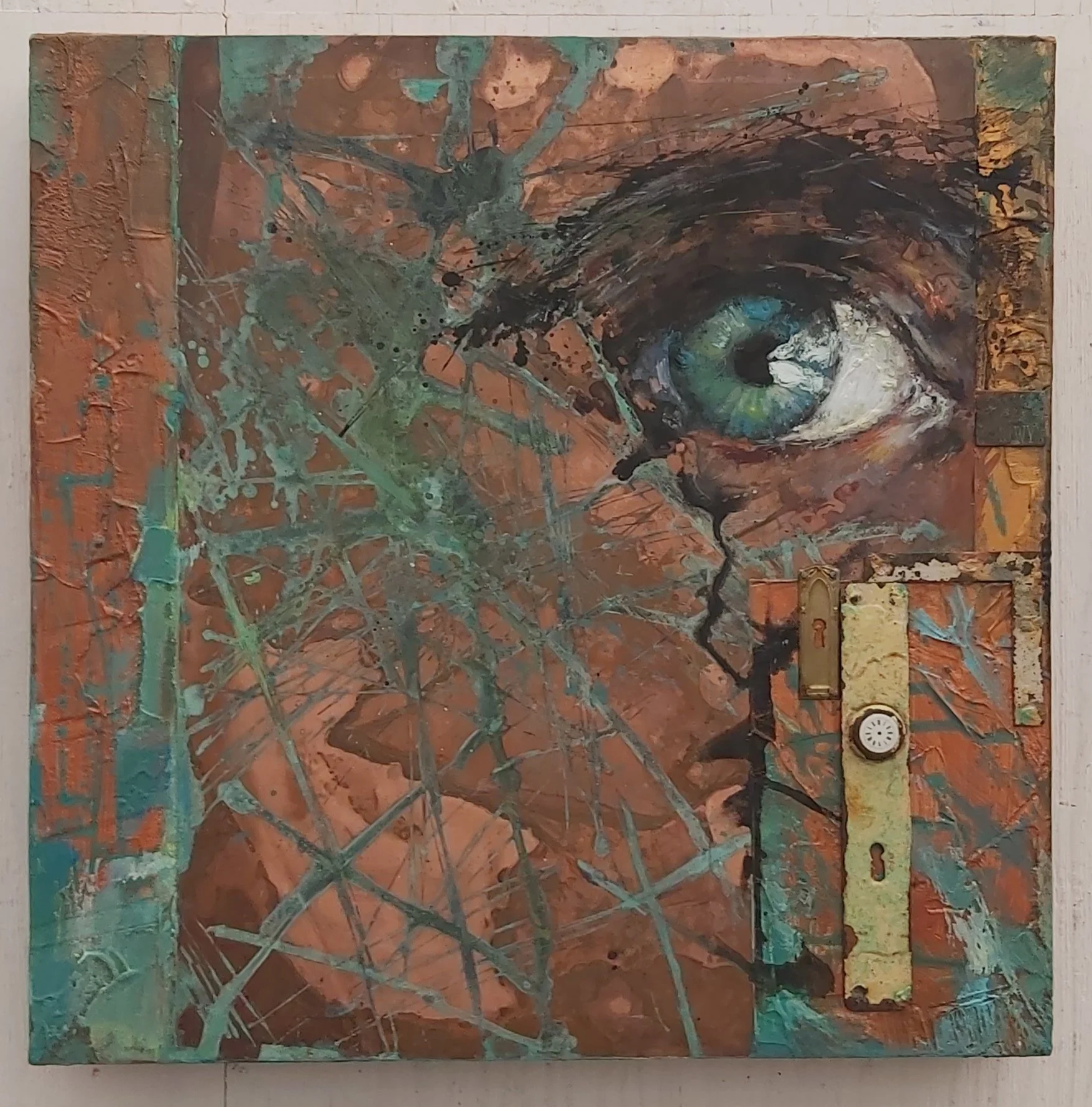
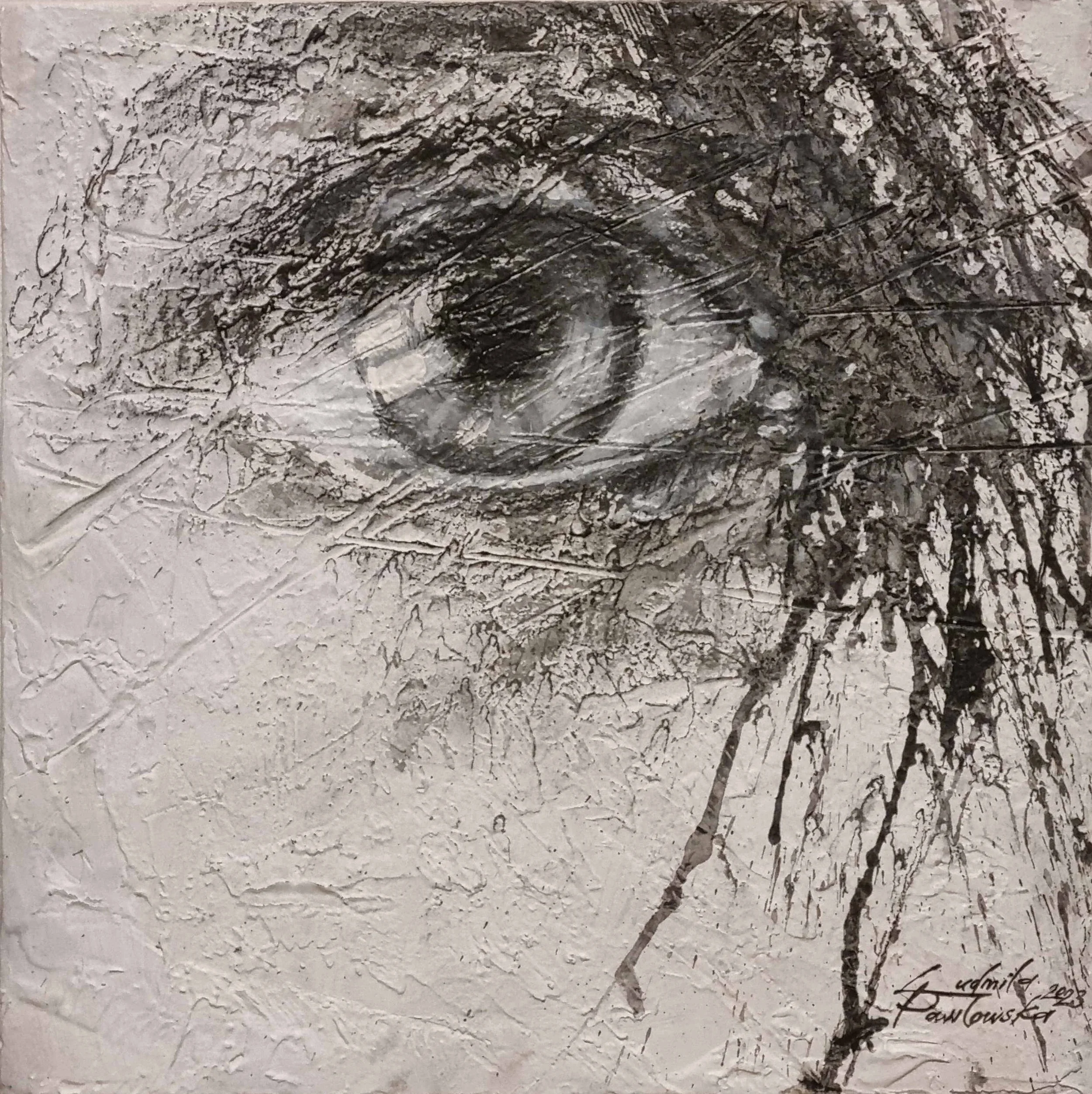
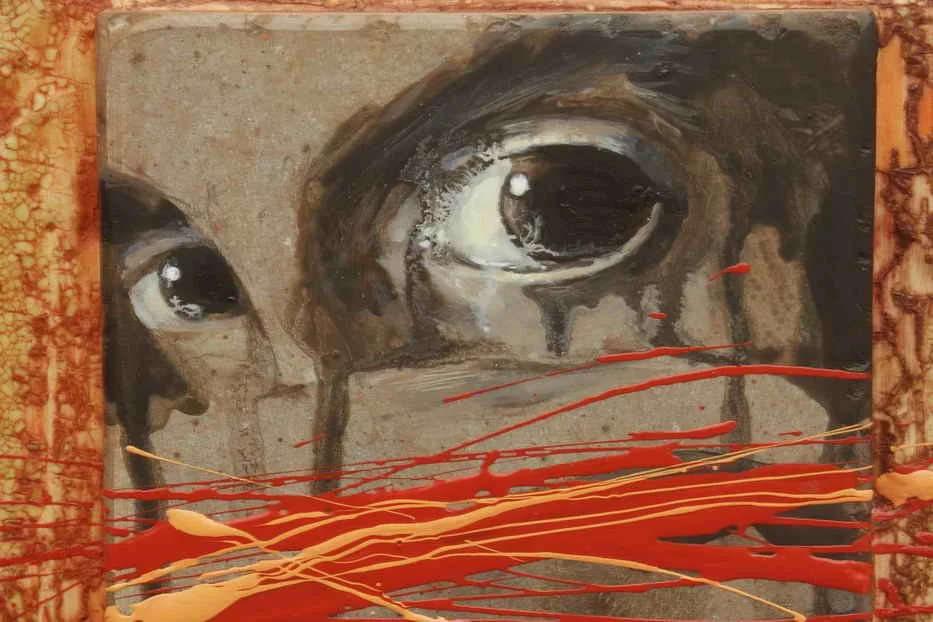
From July 19 to November 8, 2026, The Oasis at St. Margaret’s will welcome Icons in Transformation… an opportunity to explore the icon mystery: its spiritual power transformed into masterpieces of contemporary art.
Ludmila Pawlowska’s work is characterized by her unique style of “three-dimensional paintings,” where she expands the traditional boundaries of painting and sculpture, inspired by traditional icons.
Icons in Transformation is more than an art show—it is a spiritual experience. Walking among the icons, visitors will encounter beauty that transcends words and discover new ways of experiencing God’s presence.
Throughout the year, we will use this opportunity to explore the intersection between spirituality and art. Through the exhibit and related programs, we may discover what has been said, that “art is the highest form of hope.”
The exhibit will be open to the public on Fridays, 5:30-7:30PM, and on Saturdays, 1:00-5:00PM. Groups may make arrangements for other times with a reservation request.
Upcoming Events
-
![]()
View the Exhibit
07.24 - 11.07
Fridays 5:30-7:30PM
Saturdays 1:00-5:00PM
This event is open to the public, and free of charge - a gift from the Oasis at St. Margaret’s.
-
![]()
Bring a Group
Churches and community groups are welcome to make a reservation outside of the public hours.
-
![]()
Eyes on Icons
09.13 4:00-5:30PM
Rachel Eells will lead a make-and-take art activity for 2nd-5th graders. We will draw inspiration from the Icons in Transformation exhibit, then make our own pieces to take home and share with our friends and family. Wear clothes that can get messy!
-
![]()
Drawing & Mindfulness
09.26 2:00-4:00PM
Join artist Clark Valentine to explore drawing as a form of contemplation and reflection.
-
![]()
The Eyes Have It: presence & prayer
10.24 10:00-11:30AM
Join artist and educator Lisa Thorpe, for an opportunity to create prayer inspired by art.
Meet the Artist
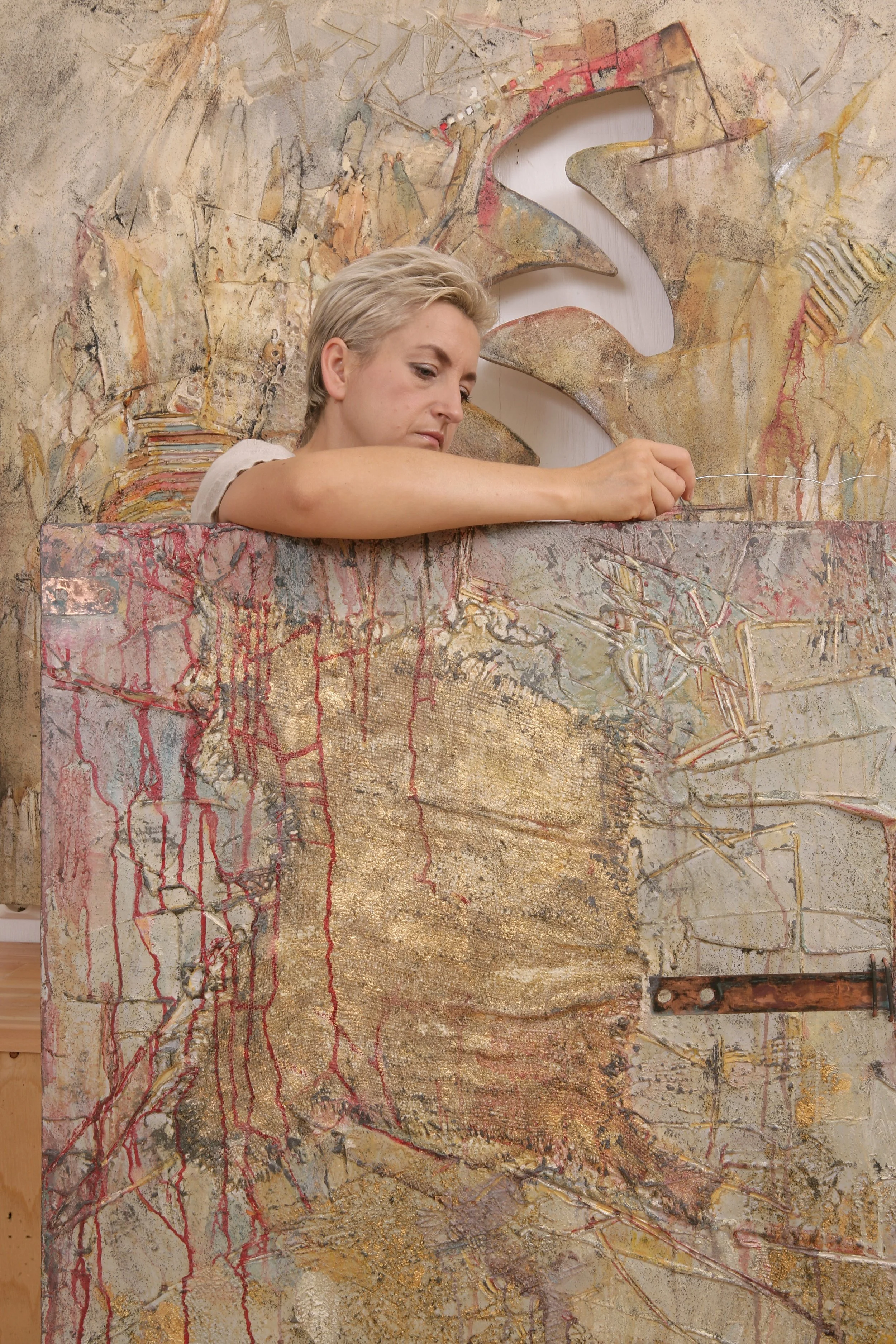
Ludmila Pawlowska was born in exile.
When Joseph Stalin took power in Russia in the 1920s, he started pushing troublesome people — teachers, artists, intellectuals, ethnic groups — far away from the country’s center of power.
Everyone knows about the gulags in Siberia, but that wasn’t the only place of exile in the Soviet Union. Kazakhstan, the biggest and most remote of the “stans,” was another. Ludmila’s Kazak home, the city of Karaganda, was hundreds of miles from any other urban area.
It was a mid-sized city — about a million population today — and it was full of highly educated exiles, culture and good schools, where teachers spotted her early as a born artist.
Her family had been shattered by the revolution. Her grandfather was deported to Siberia in 1936, when her father was two-years-old. Her uncles were taken by the state, separated and scattered across the nation to homes for children of state enemies.
Her father was a dissident, too – always limited by his refusal to join the Communist Party. She and her father weren’t close – but her mother was her soul mate. And art was her refuge.
Ludmila was considered a child prodigy. She still has newspaper clippings written about her in the elementary school years.
At 15, she left her beloved mother and went to Moscow.
Socialist Realism was the party-enforced painting style of the day, but the academies were good, and Mila’s passion for art never flagged. She worked her way into textile design and magazine illustration.
The Stalin era ended when he died in 1953. Soon, Nikita Kruschev opened the gulags, and her grandfather was free — but not free to leave Siberia.
She met Jan Lech — an early-music specialist and lutenist who had moved into the business side of the arts — and they started dreaming of a rural life together. They wanted to start a center where artists and art-lovers could come together, and Jan knew an area in Sweden that would be perfect.
So 20 years ago, they left Russia. For the first time, Mila was free to become the artist she was born to be. Her early work in Sweden was all about the natural beauty she saw around her: florals and landscapes, somewhere between realistic and abstract and influenced by her work in textiles.
After a few years, her mother was able to come for an extended visit. A few months into the visit, she had a massive stroke and died. Mila’s life changed overnight. In her heart and in her painting, she began a spiritual journey.
She traveled, looking for answers. In Russian monasteries — opened up by growing political liberalism — she found ancient wisdom and contemporary icons painted in the classical style. “The icons were like a window to God,” she says.
Today, she’s an abstract expressionist, making art that’s more about her heart than her eye — about what she senses all around her, about what has come to her through those classical windows and been incorporated into her work. She carved letters to her mother in her paintings as a heavily textured, almost sculptural style evolved.
Her paintings helped her exorcize her feelings. “I knew my mother surrounded me and could hear me. She could read my letters to her. After every image was done, I felt a sense of relief. I was finding my own way to God. All the art over these last years has been a spiritual journey.”
Past Speakers & Programs
The Oasis at St. Margaret’s provides workshops and retreats to build community and to provide spiritual growth and renewal.
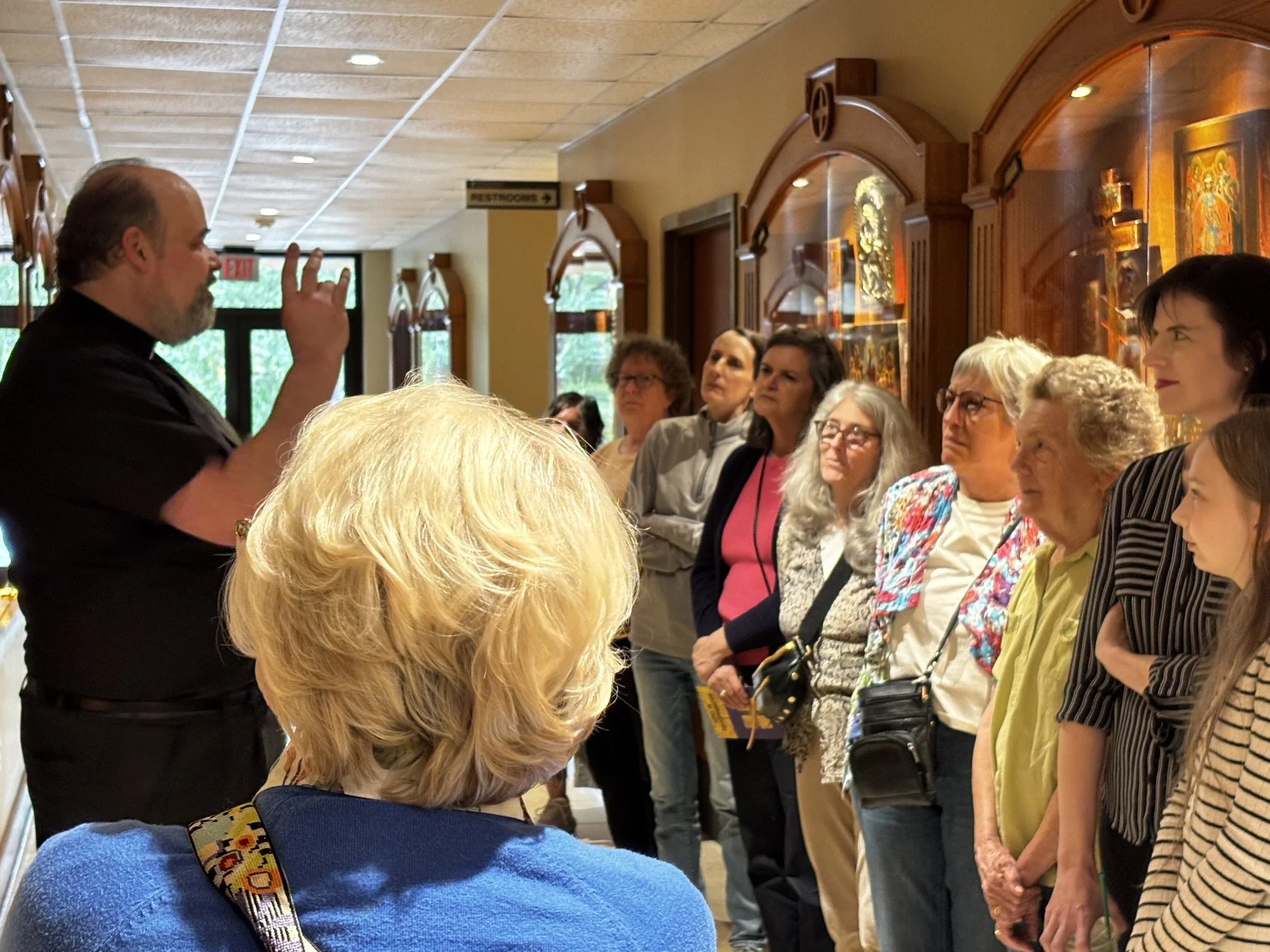
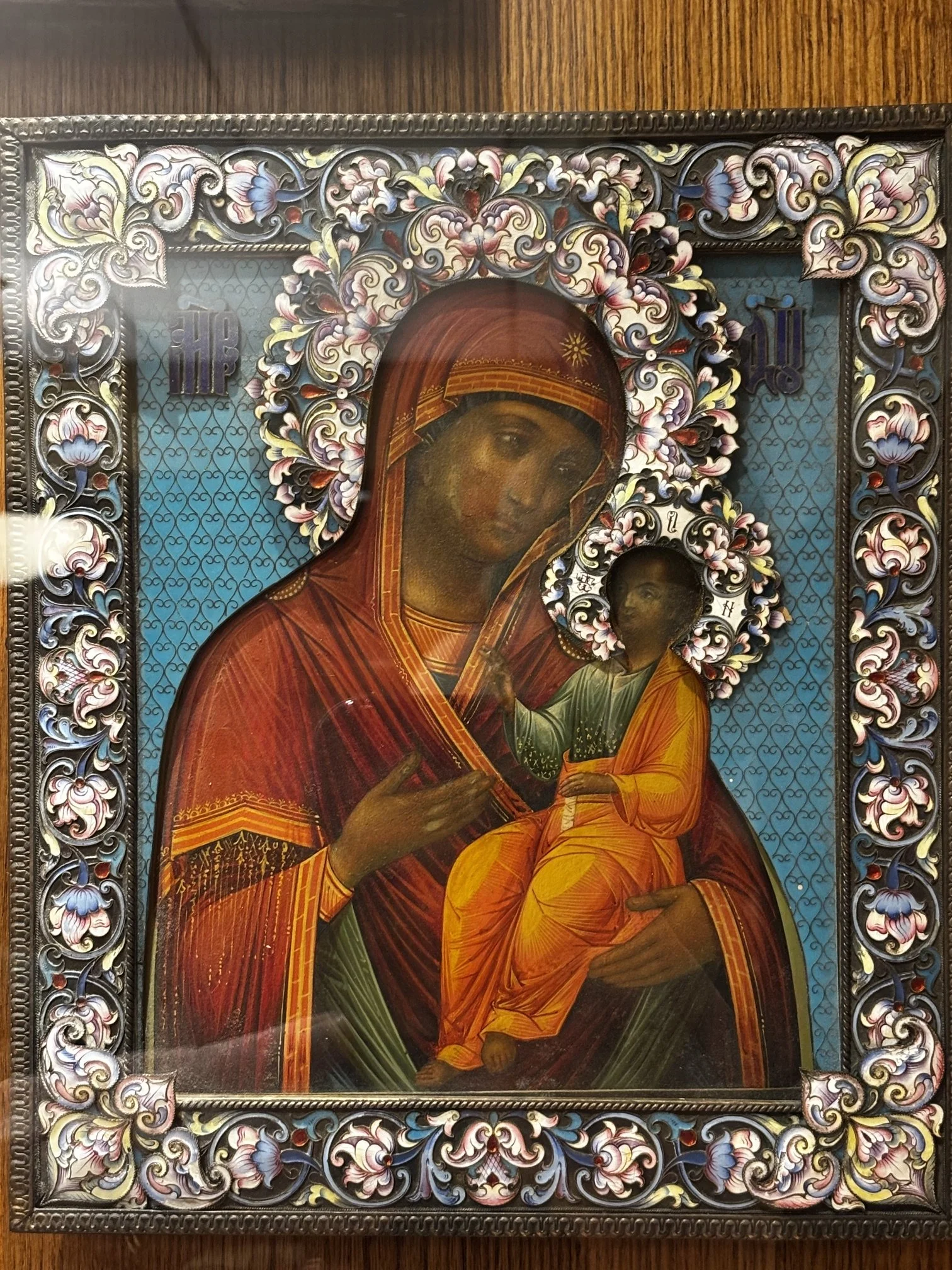
Tour of Russian Icon Collection
Annunciation Greek Orthodox Church
2026
An introduction to traditional Russian icons
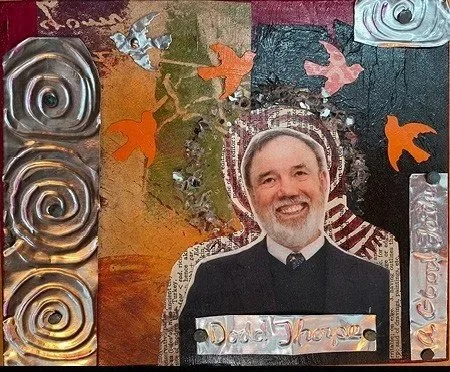
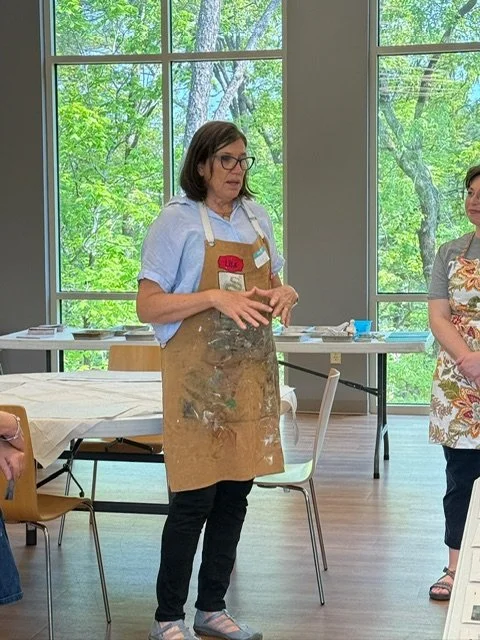
The Art of Honoring
Lisa Thorpe
2026
A day of art & meditation
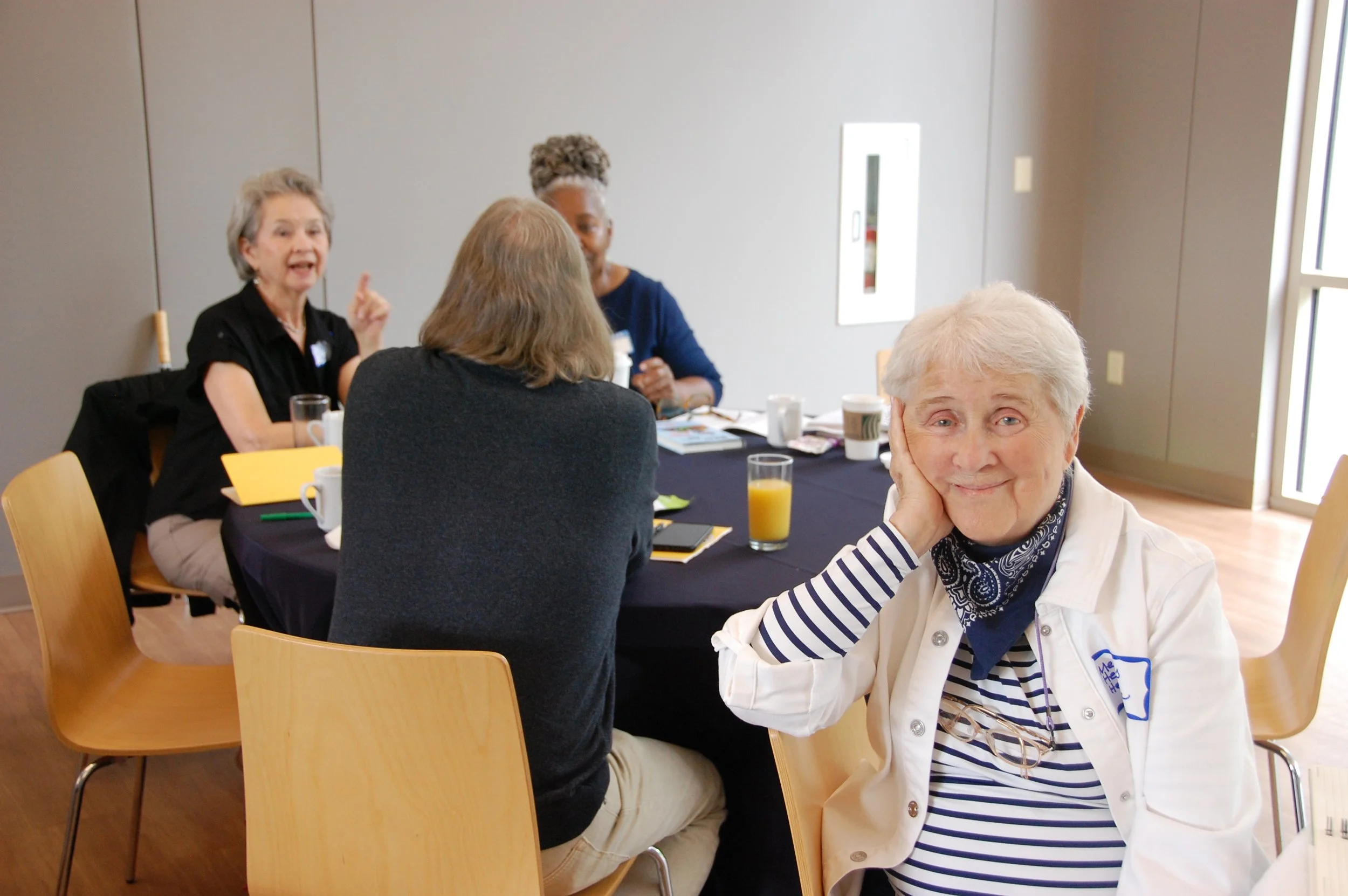

2025
A Spiritual Walk with Howard Thurman
What is God Inviting?
Dr. Lerita Coleman Brown


The Art of Spiritual Writing
Vinita Hampton Wright
2025
A spiritual writing workshop


2025
Handbells for individuals and choirs
Fundamentals of Handbells
Anne C. Weaver
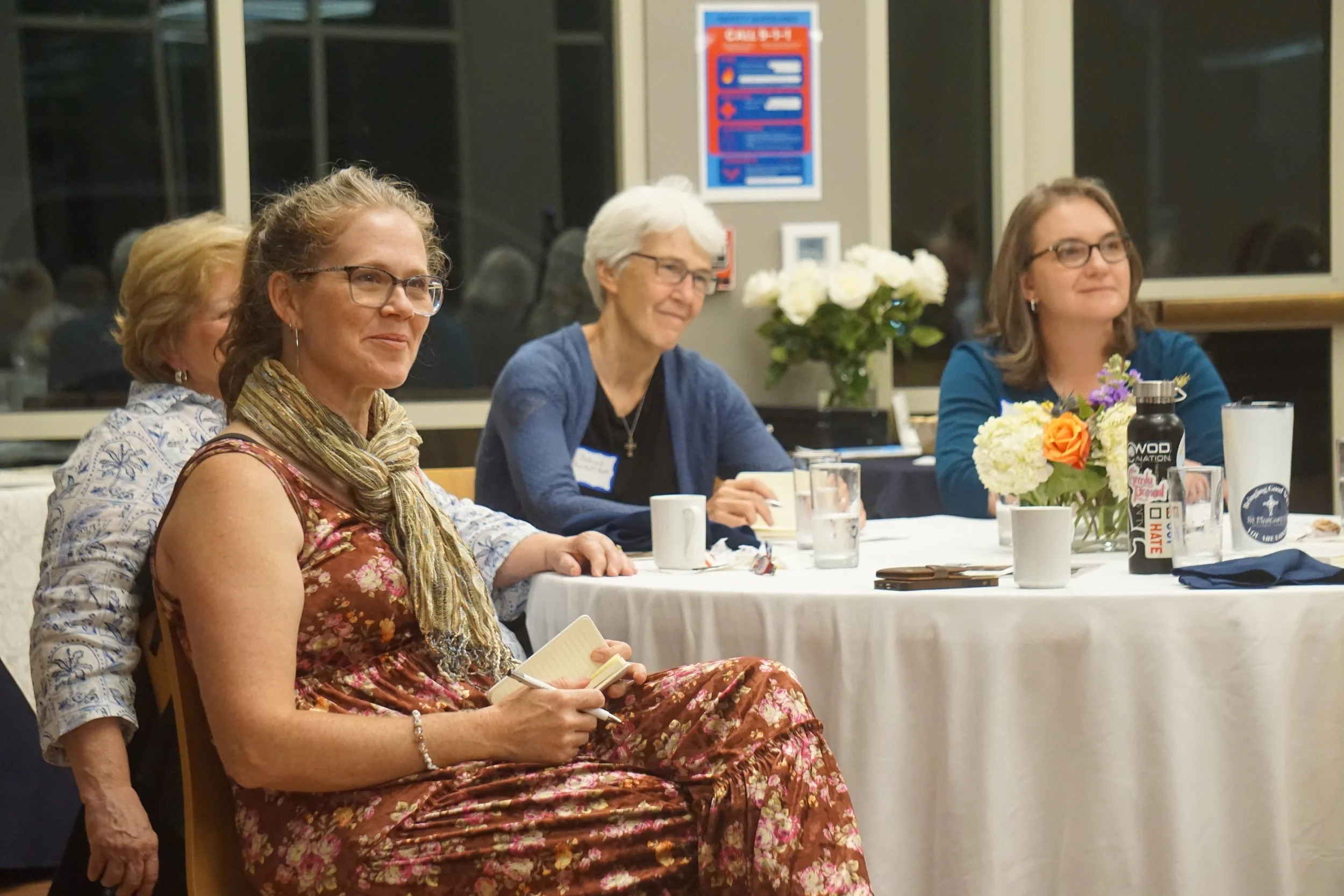
Building the Benedict Option
Leah Libresco Sargent
2024
Creating authentic communities of prayer, support & learning

Join Us
Join Oasis at St. Margaret's for a serene and supportive community dedicated to enhancing your overall well-being.
